
palaeoecology
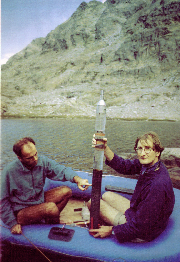
Palaeoecology as applied to aquatic systems is concerned with understanding how freshwater, estuarine and coastal ecosystems change through time. The techniques involve sediment coring, sediment dating and the analysis of the chemical record (toxic metals and POPs) and the biological remains (e.g. diatoms, higher plant remains, cladocera, chironomids, and ostracods) preserved in the sediments. The method can be used to:
HYDRA members have used these techniques extensively to reconstruct acidification and eutrophication histories of UK lakes, to assess the extent of trace metal and POPs contamination of lakes, to establish chemical and biological reference conditions of UK lakes as required by the Water Framework Directive and to identify the separate and combined roles of pollutants and climate change in driving ecological change.
Details on staff with expertise in this field can be found in the directory of expertise or by contacting the champion for this discipline Professor Rick Battarbee
Back to expertise home page.


